Decision Platform
Andrew W. Marshall Foundation
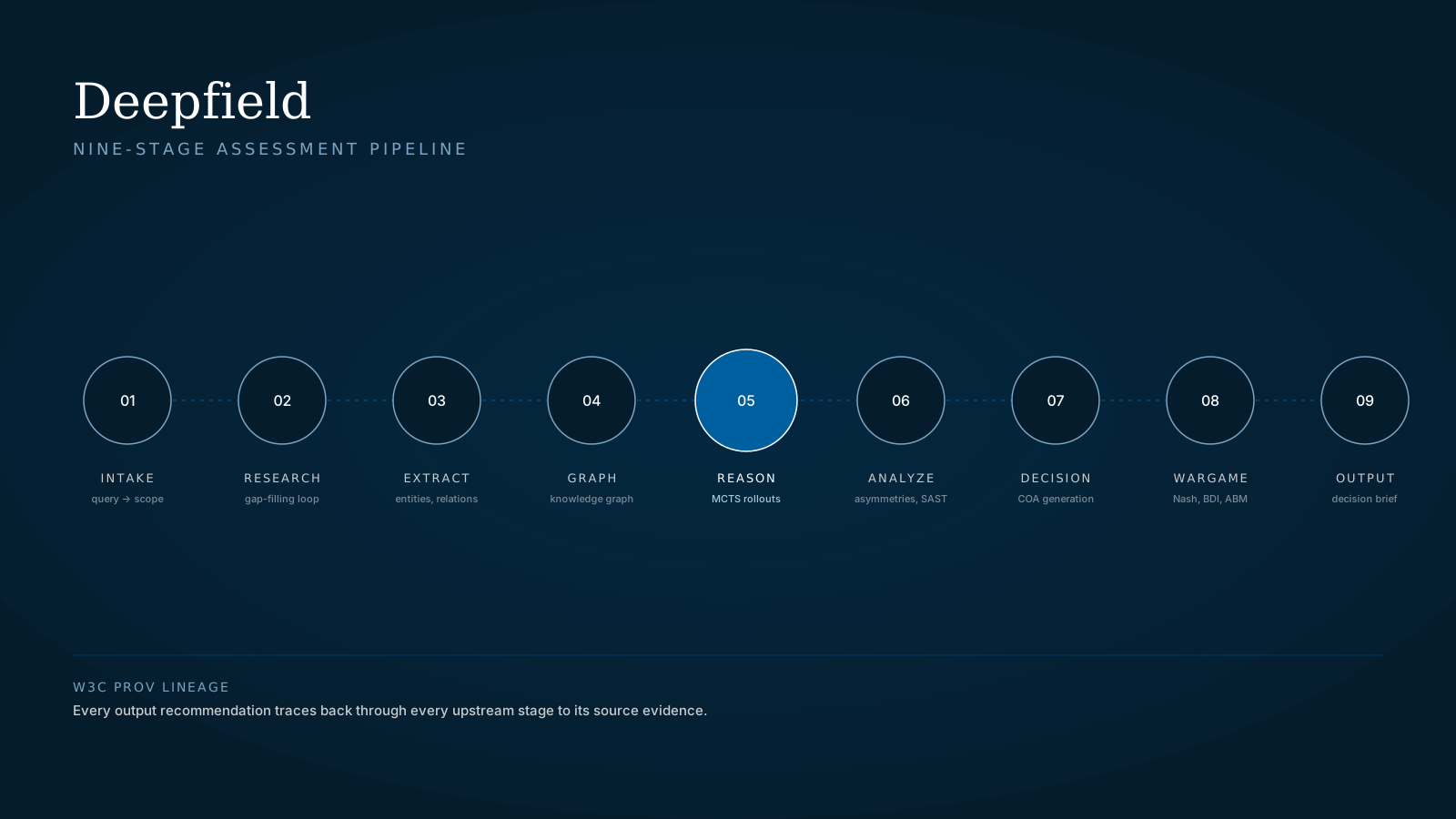
Deepfield: a modular assessment platform
An eleven-stage strategic assessment pipeline that turns a query into a defensible course of action with full evidence lineage.
See the engagement
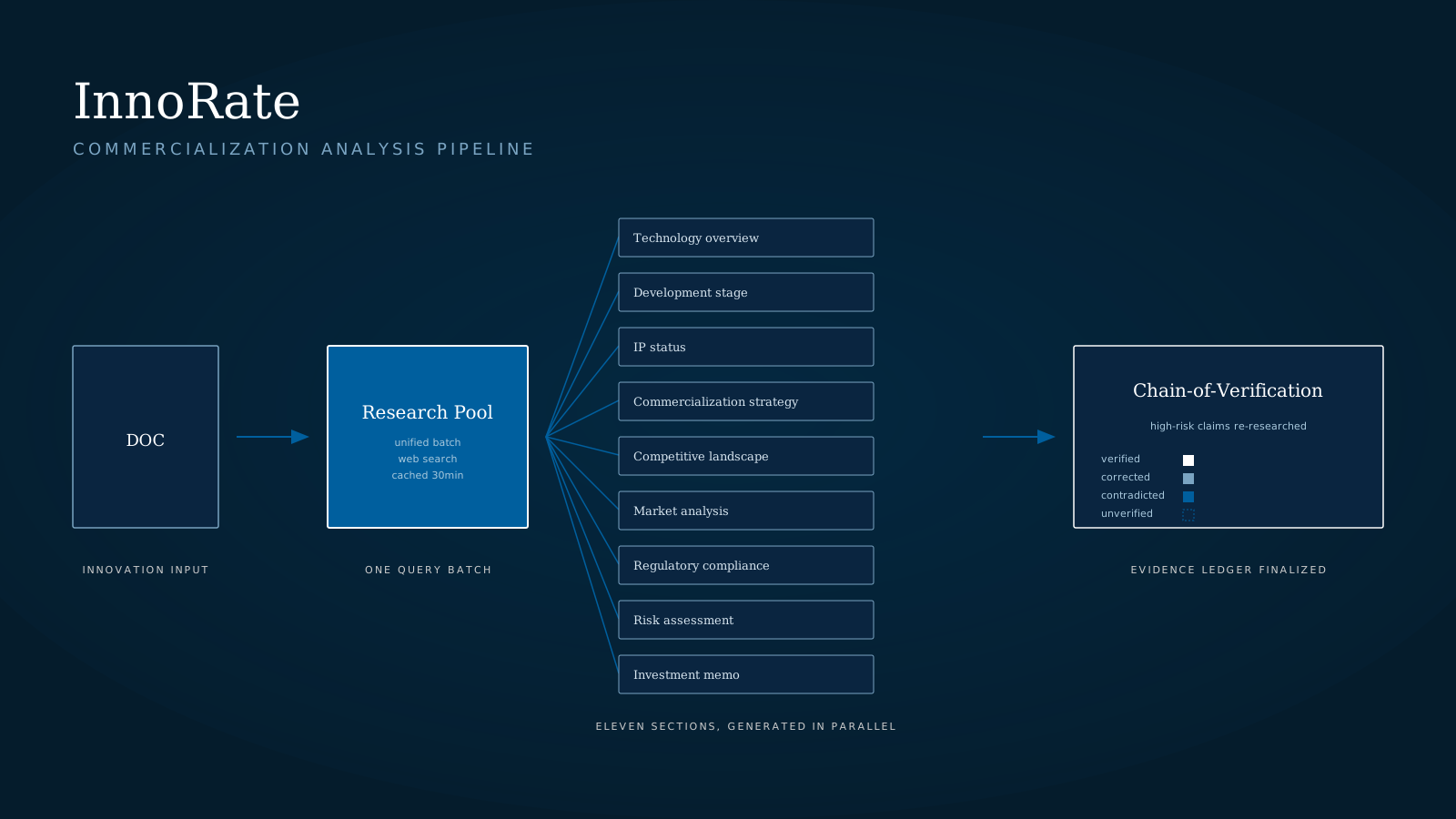
InnoRate takes a technology disclosure or a set of context documents and produces a full commercialization analysis: market, IP, competitive landscape, regulatory, ESG, licensees, risk, and an investment memo. Every claim in the report carries an evidence type and a confidence score. High-risk claims are re-verified against live web search before the report is delivered.
Technology commercialization analysis is expensive, slow, and inconsistent. A technology transfer office or a VC analyst reads a disclosure, googles around, reads a few market reports, writes a memo. The memo takes a week and it's stale the day it's filed. Different analysts produce different memos on the same technology, because the inputs and the reasoning aren't captured anywhere.
We wanted to know whether an evaluation pipeline could produce a report of the same shape and quality every time, with a record of how it got there that a human can audit.
InnoRate is a commercialization-analysis platform with an API. A user uploads documents or pastes in a description. The system detects the innovations, then runs the generation pipeline through six steps.
Inline evidence is the core move. Most AI report generators produce a report and then ask a second pass to "add citations." That second pass is a hallucination pipeline in a hat. The model invents citations that look plausible. InnoRate produces the evidence alongside the claim, from the same context, with the discipline that a claim without evidence is a structural error. The system refuses to ship those.
Chain-of-Verification catches the claims the model might have been confident about for the wrong reasons. An industry-knowledge claim ("this market is growing at 12% annually") is exactly the kind of thing an LLM will state with false confidence. Verification sends those claims back to the web, checks them, and flags the ones that come back corrected or contradicted. The user sees those flags in the report.
Every section has to satisfy a defined structure or it doesn't ship. There is no quiet fallback to templated prose to paper over a section that didn't generate cleanly.
A manual process that took a week per disclosure and produced inconsistent memos. Or a generic LLM chat that produced confident prose with invented citations.
10 to 14 weeks to deploy InnoRate (or an InnoRate-shaped product) for a new domain. We need the domain's section taxonomy, reference examples of the reports you want to produce, access to any domain-specific data sources, and subject-matter-expert review time. You get the deployed platform, the API, the section logic tuned for your vertical, and the evidence ledger.
Reports of the same shape and quality arrive in hours, with every claim typed and verified. The people who used to spend a week writing one report can spend that week deciding what to do about ten. The partner discussion shifts from whether to evaluate to what to do about the evaluation.
It's a fit for tech transfer offices, VC evaluation teams, due-diligence shops, and any organization that produces standardized analytical reports at volume and needs to stand behind the numbers. It's the wrong product when every report is its own one-off and no two share a section taxonomy.
We've written a two-page business case for this engagement shape. Executive summary, problem statement, deliverables, risks, success metrics, investment range. Read it in the browser or print it to PDF and forward.
Read the business caseAn eleven-stage strategic assessment pipeline that turns a query into a defensible course of action with full evidence lineage.
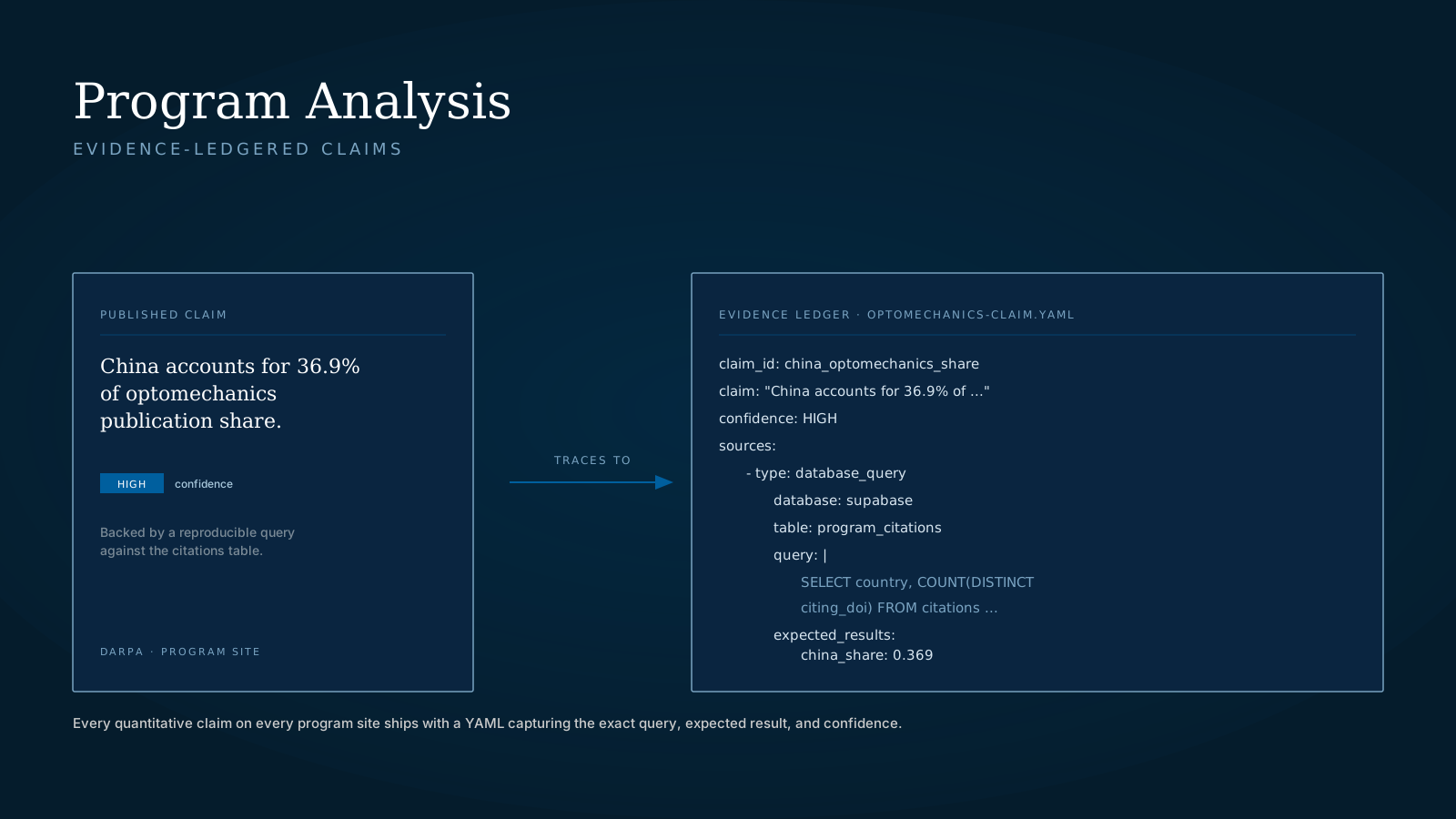
Per-program analytical sites where every quantitative claim links to a reproducible source and a stated confidence level.
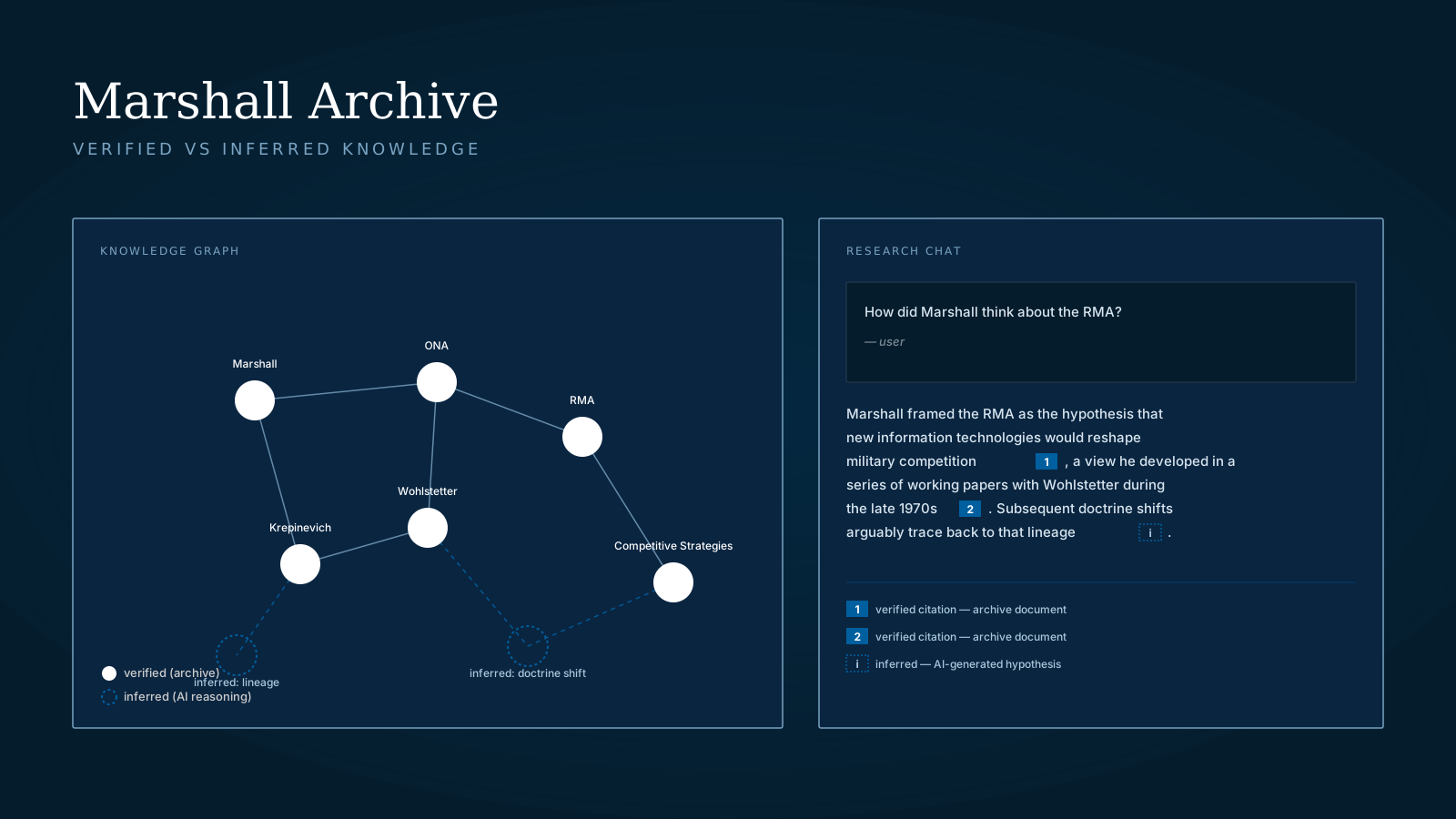
A knowledge-graph research console that opens Andrew Marshall's Office of Net Assessment tradition to a new generation of strategists.
Tell us about the decision you're trying to improve. We'll schedule a briefing with our principals to understand your environment and see whether the fit is right.
Schedule a briefing