Program Analysis Product
Research program offices
Program analysis sites: evidence you can audit
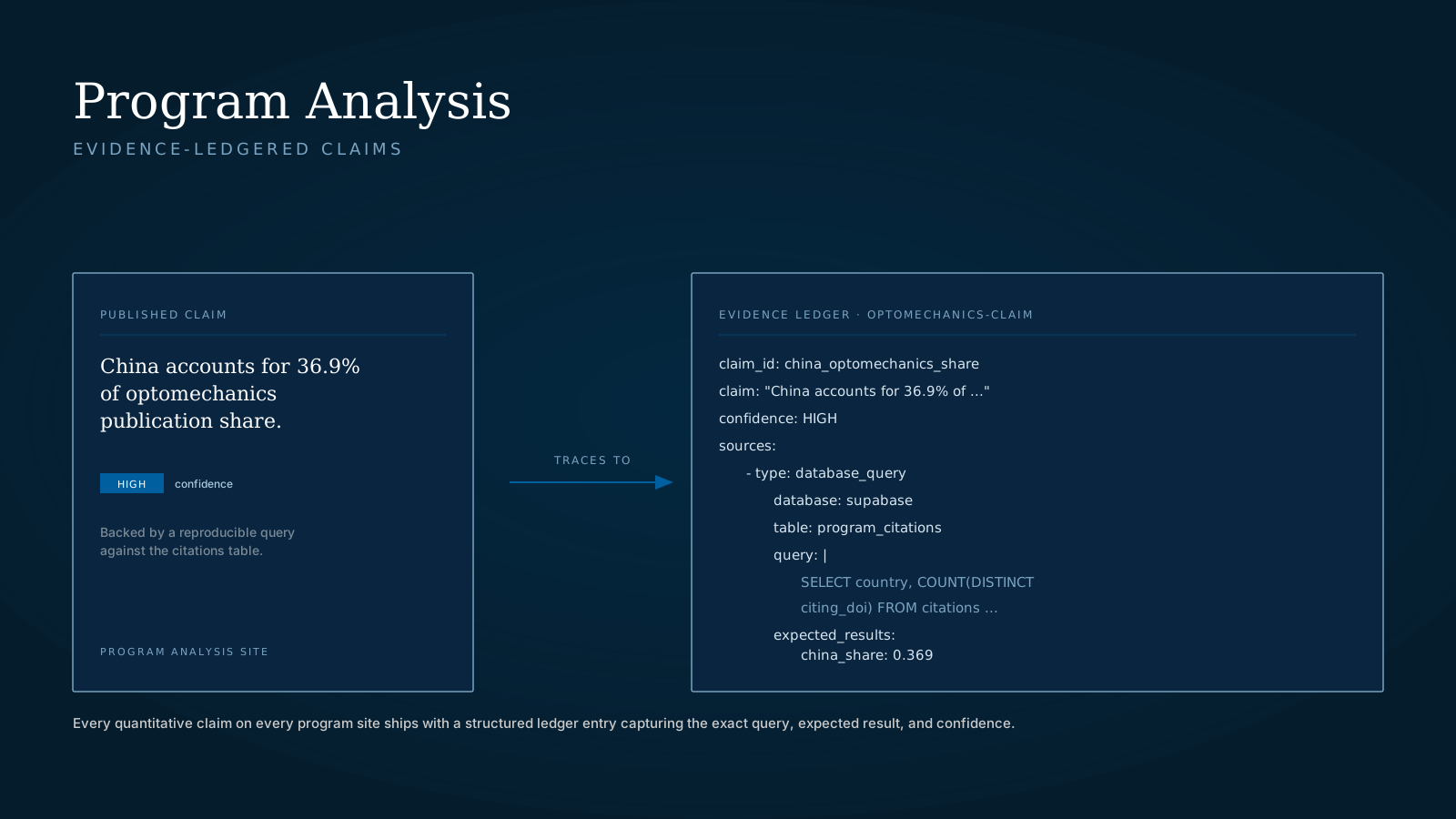
Per-program analytical sites where every quantitative claim links to a reproducible source and a stated confidence level.
See the engagement
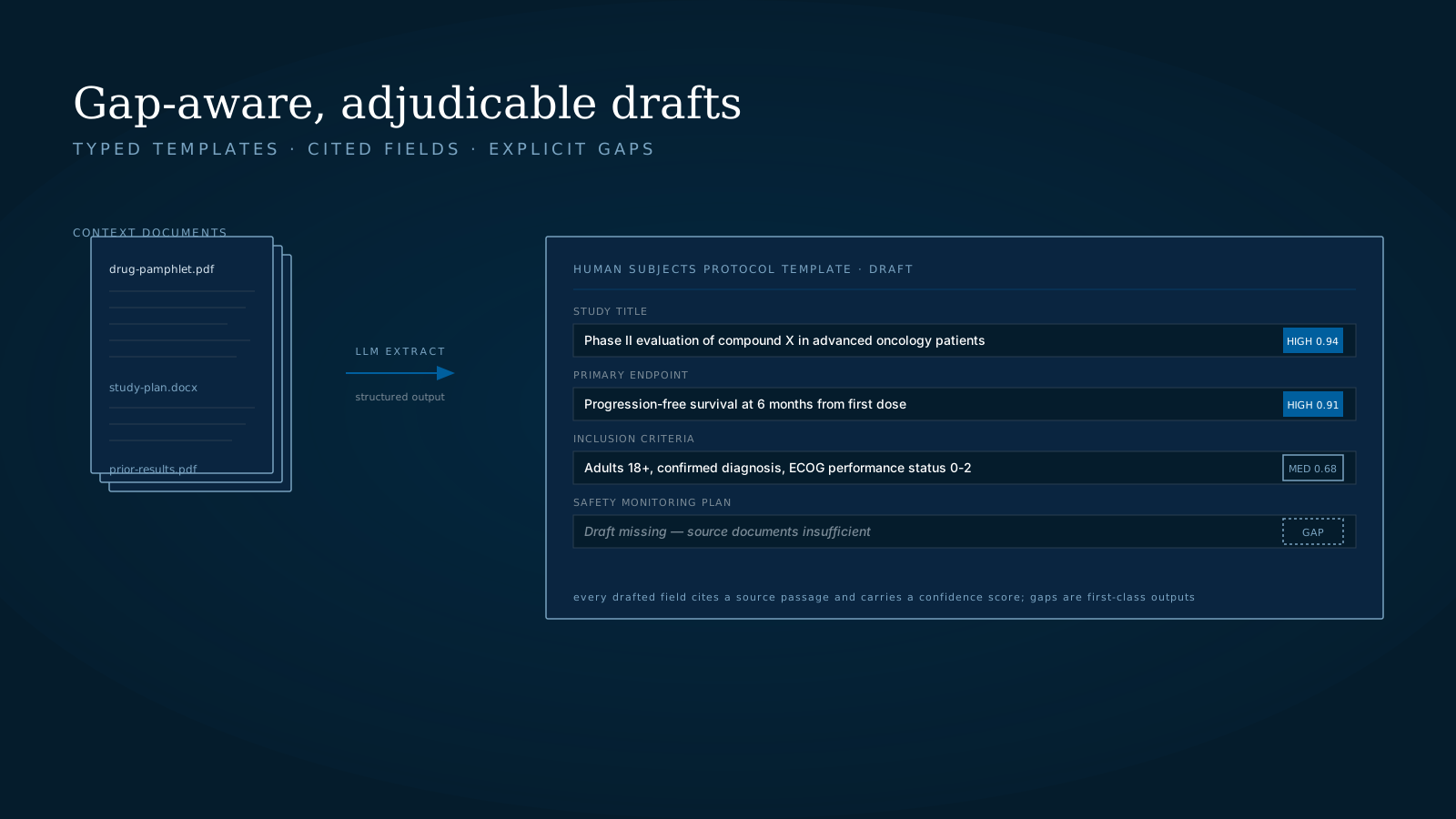
We build drafters that read source materials, populate a structured template, and return each field as either a draft with a confidence score and a citation, a flagged low-confidence guess, or an explicit gap. Reviewers accept, reject, or rewrite one field at a time. The system drafts. The human decides.
The same pattern recurs wherever a structured document has to be drafted from a stack of source materials. Research protocols. Grant applications. Compliance filings. Underwriting memos. RFP responses. People spend hours pulling information out of source documents to populate template fields. The process is slow. It's error-prone. Different drafters interpret the same source material differently and end up with different documents for the same underlying facts. Whoever reviews those documents has to chase inconsistencies that the input stage produced. The substance was the same. The extraction varied.
Our client, a clinical research alliance preparing human subjects research protocols for IRB review, wanted a first draft a researcher could start from. The current alternative was a finished document the researcher had to fight with. The underlying pattern generalizes well past IRBs.
A template auto-population service. The caller uploads context documents and selects a template. The system reads the documents and returns a draft with each field populated from the source material. Every field comes back as one of three things.
The reviewer works through the document one field at a time. Accept, reject, or rewrite. Every decision is captured. By the time the reviewer reaches the bottom of the document, the audit trail is already done.
Three things carry the trustworthiness load.
First, structured drafts. Every field is typed and bounded. Every field is either a draft with a confidence score and a source passage, or an explicit gap. There's no unstructured middle ground where the model can hide an unsupported claim in fluent prose.
Second, source attribution on every field. When a reviewer reads a drafted "inclusion criteria" field, they see the specific page and paragraph in the source documents that the draft came from. Accepting the draft is a judgment call with all the evidence in front of them. Rejecting it is a one-click action.
Third, explicit gap surfacing. The system is designed so that "I don't have enough information to draft this field" is a normal output. A reviewer can use a document where ten fields are drafted and five are marked as gaps. A document with fifteen fields drafted at uniform confidence is harder, because the reviewer can't tell which fields need scrutiny.
All three keep the human reviewer in charge. The system drafts. The human decides.
Manual extraction and reformatting. A process that took a researcher hours per document and produced inconsistent outputs across drafters and projects.
8 to 12 weeks to build a drafter for a new template library. We need the templates, a reference set of completed documents, and access to typical source document shapes. You get the deployed service, the template definitions, the drafting logic tuned for the domain, and the confidence-scoring rubric.
A reviewer who used to spend hours fighting a draft now spends minutes adjudicating one. The audit trail is finished by the time they reach the bottom of the document. The reviewer is doing the work the reviewer is supposed to do.
It's a fit for IRBs, grant offices, compliance teams, regulatory affairs, underwriting, audit, due diligence, and any setting where a structured document has to be drafted from a set of source materials and a human reviewer needs to see exactly where every piece of the draft came from. It's the wrong product when the source material is unstructured and templates aren't a useful target shape.
We've written a two-page business case for this engagement shape. Executive summary, problem statement, deliverables, risks, success metrics, investment range. Read it in the browser or print it to PDF and forward.
Read the business casePer-program analytical sites where every quantitative claim links to a reproducible source and a stated confidence level.
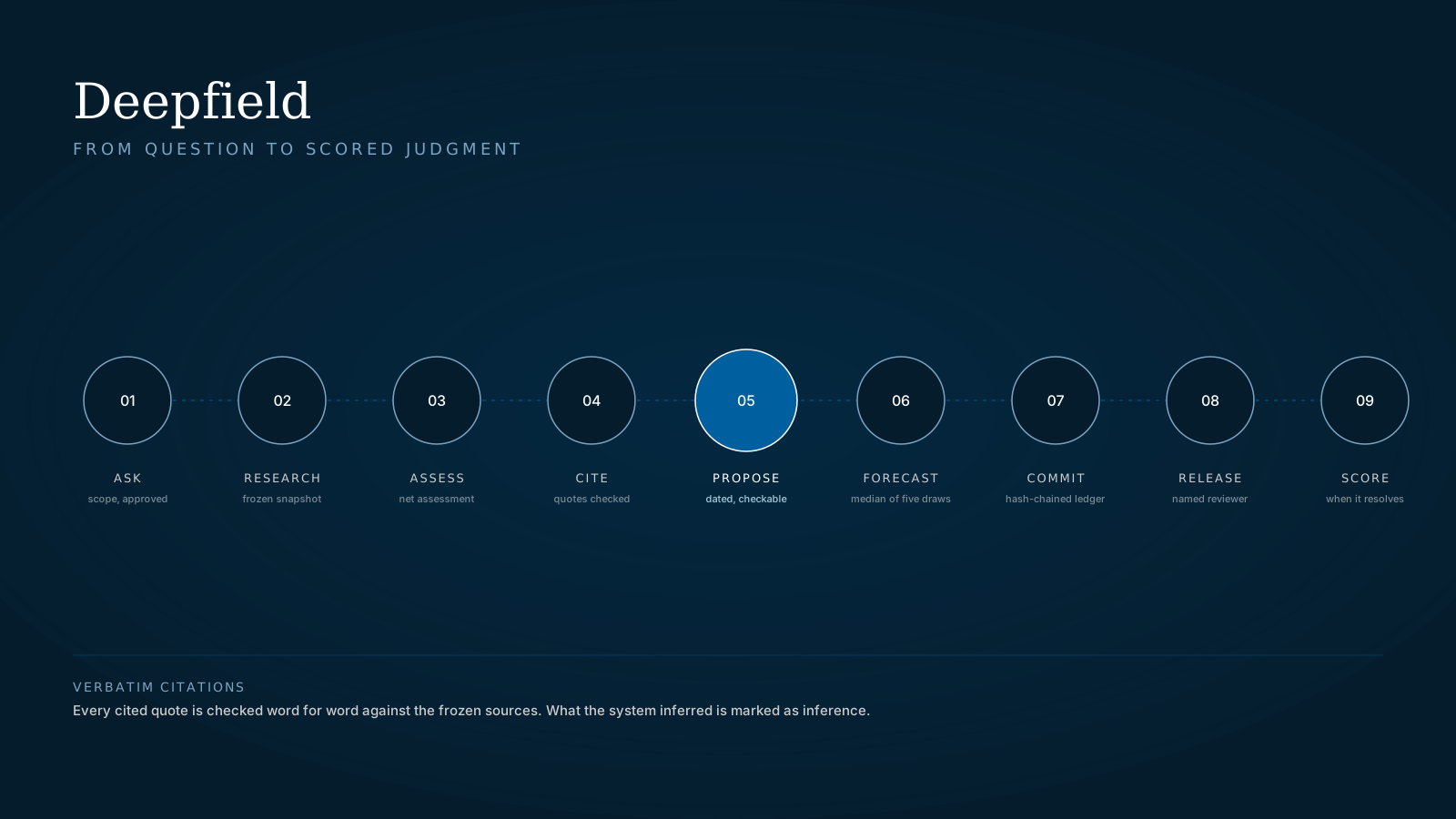
A strategic assessment platform that quotes its sources word for word and backs each key judgment with dated predictions that get scored.
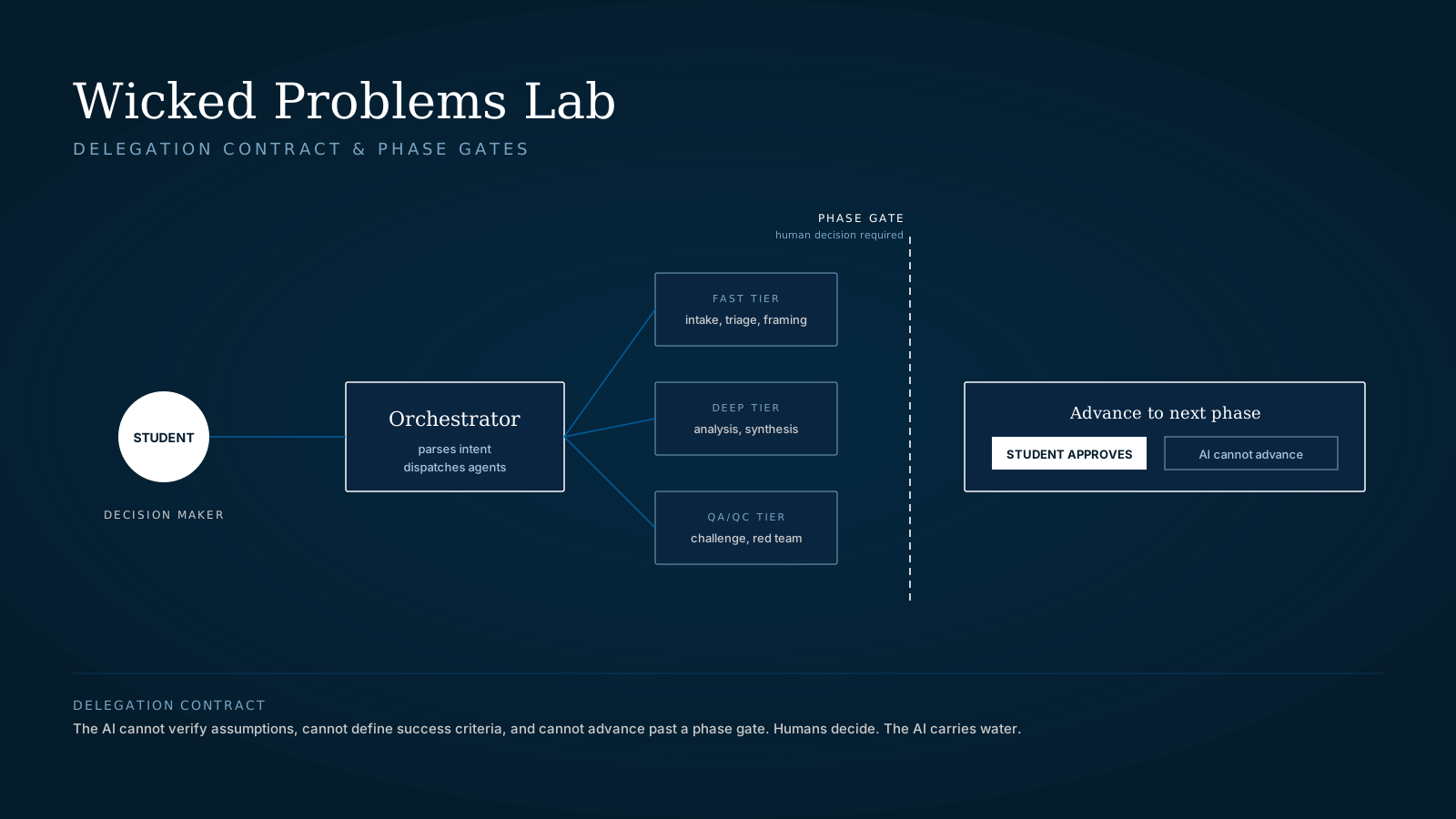
A teaming platform in classroom use at Georgetown. The AI listens quietly and helps on request, while phase gates, peer review, and a twelve-rule delegation contract keep every real judgment in student hands.
Tell us about the decision you're trying to improve. We'll schedule a briefing with our principals to understand your environment and see whether the fit is right.
Schedule a briefing